This post may contain affiliate links which means I may receive a commission for purchases made through links. Learn more about policies on my about page.
If you’ve ever typed keto supplements into a search bar on your ketogenic diet journey, you’ll know the problem. You’re hit with flashy “keto stacks”, gummies, powders, and promises that sound too good for a tub of flavoured dust. When searching for Affordable Keto Supplements Online UK, it’s essential to stay informed.
Here’s my take, straight up: supplements are optional. Keto works on food first. Most of the time, when people feel rubbish on a low carb diet like keto, it isn’t because they need a magic supplement. It’s because they’re under-eating salt, under-hydrating, or missing a simple nutrient that’s easy to fix.
This guide is for UK readers who want to buy keto supplements UK online without wasting money, especially if you’re new to keto and chasing weight loss, you train hard, or you keep getting cramps, headaches, fatigue, or that flat, low-energy feeling. I’ll cover what actually matters, including Affordable Keto Supplements Online UK, what I skip, how I check quality fast, where I tend to shop online in the UK (without hyping any one retailer), and small budget habits that keep costs down. When I talk about evidence, I stick to medical research, not hype.
Table of Contents
What “affordable keto supplements” really means (and what I check before I buy)
“Affordable” isn’t the lowest price on the screen. It’s good value for a dose that actually does something, with ingredients I’m happy to take and a cost that doesn’t creep up every month.
When I’m buying supplements online in the UK, I look at the stuff that quietly empties wallets:
- Cost per serving, not cost per tub.
- Dose per serving, not the big number on the front label.
- Hidden fillers and sweeteners that add carbs or wreck my stomach.
- Subscription tricks (the “deal” price that changes after the first order).
- Delivery costs and free-shipping thresholds.
- Returns policy, especially for powders I might not tolerate.
UK labelling helps, but you still need to read it like a sceptic to spot high-quality keto supplements from marketing hype. Brands can call something “keto” even if it’s basically flavouring and a tiny sprinkle of minerals.
My 5 quick value checks: dose, servings, ingredients, testing, and total cost
I can usually decide if something’s worth it in under two minutes. This is the checklist I use:
- Dose per serving: I compare the milligrams (mg) or grams (g) that matter, not the marketing blend name.
- Servings per tub: A “30-serving” tub is only 15 servings if the effective dose is double the scoop.
- Ingredients and sweeteners: I avoid added sugars, and I’m cautious with sugar alcohols like maltitol (it can cause stomach upset and can behave more like sugar for some people).
- Testing proof: If a brand mentions third-party testing or GMP certification, I look for a COA (certificate of analysis) or clear testing details.
- Total basket cost: I add delivery. A cheap tub stops being cheap once postage is tacked on.
A quick example of the “cheap tub” trap: if Product A is £12 for 20 servings (60p a serving) and Product B is £18 for 60 servings (30p a serving), Product A looks cheaper at checkout but costs double over the month. I’ve made that mistake. I don’t anymore.
Safety basics for UK shoppers: who should speak to a pharmacist or GP first
Most basic supplements are fine for most people, but keto’s carbohydrate restriction changes fluid and mineral balance (the body may need additional sodium, potassium, and magnesium), and that can matter if you’re on medication. I’d speak to a pharmacist or GP before using electrolyte products, high-dose supplements like vitamin D, or anything similar if any of these apply:
- Pregnant or breastfeeding
- Kidney disease or a history of kidney issues
- Heart rhythm problems
- Taking blood pressure medication or diuretics (electrolytes can shift things)
- Taking diabetes medication (lower carbs can reduce blood sugar levels quickly, hypos are serious)
- Taking blood thinners (some supplements can interact)
I also stick to label directions and avoid stacking multiple products that all contain the same minerals.
The best affordable keto supplements to buy online in the UK (ranked by impact)
When people have asked me about Affordable Keto supplements available online UK, I steer them away from giant bundles and towards a few basics that tend to make a real difference.
My personal ranking is based on what I notice in day-to-day life: fewer headaches, steadier workouts, less “keto slump”, better appetite control, and easier meal planning. This is what I prioritise.
Electrolytes first: the lowest cost fix for keto headaches, cramps, and low energy
If I had to pick one supplement category for keto, it’s electrolytes. Not because they’re exciting, but because they’re often the simplest fix.
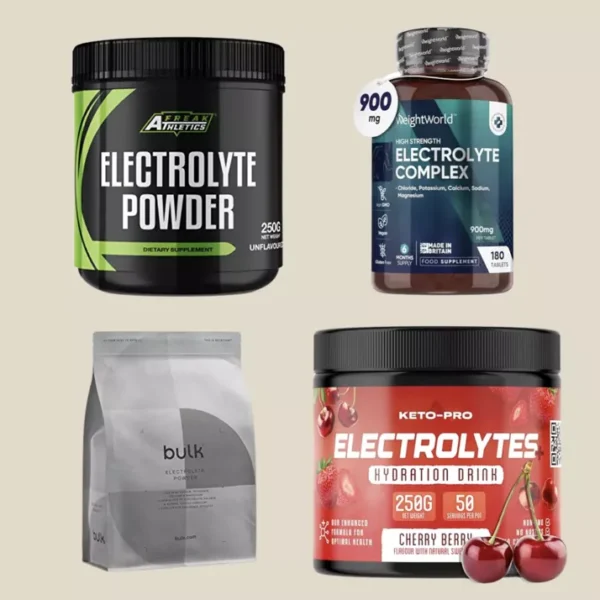
On keto, many people enter a state of ketosis and lose more water at first. Along with that water goes sodium, and sometimes potassium and magnesium. When those drop, you can feel it through classic keto flu symptoms.
Common signs I watch for:
- Headaches that feel “dull” and won’t shift
- Muscle cramps, twitching eyelids
- Feeling weak in workouts
- Light-headedness when standing up
- Low energy that feels like someone turned the lights down
When I shop for electrolytes, I keep it practical:
- Sodium per serving: Is it meaningful, or just a token amount?
- Potassium dose: Does it provide a useful amount?
- Magnesium form and dose: I want a clear magnesium amount, not a vague “blend”.
- Sugar-free: Sports-drink style carbs defeat the point for me.
- No pixie-dust dosing: If it’s split into five minerals at tiny amounts, I move on.
If you want a UK-focused breakdown of what to look for, I use this guide as a reference: keto electrolytes in the UK. I’ll reference medical studies on low-carb diuresis and electrolyte balance in the full write-up, because this is one of those areas where physiology matters more than marketing.
MCT oil or MCT powder: which one is cheaper per serving, and easier on my stomach
MCTs (medium-chain triglycerides) are popular on keto because they’re a type of fat some people find easier to use for energy. They can help when I want a quick boost without adding loads of food volume, supporting brain function, energy and endurance.
The big question is oil or powder.
Affordable Keto Supplements Online UK
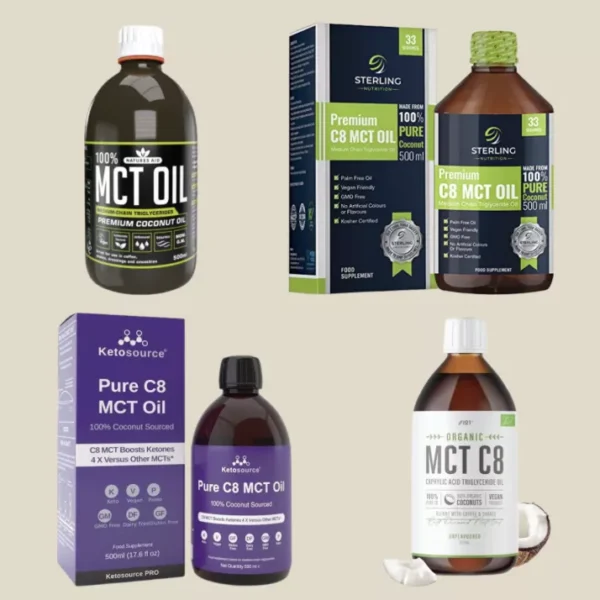
MCT oil is usually cheaper per tablespoon. It’s simple, and it’s easy to add to coffee or a shake. The downside is MCT oil can be rough on digestion if I take too much too soon. I keep a guide handy when I’m comparing types and labels: MCT oil in the UK.
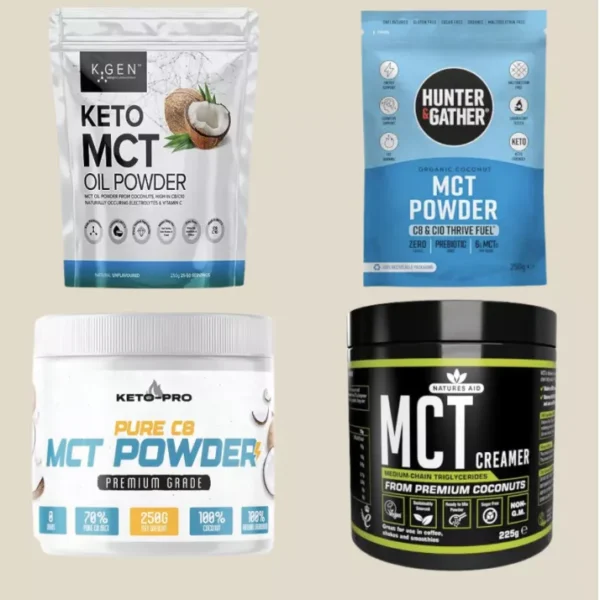
MCT powder is often pricier per serving, but it wins on convenience. It travels better, mixes into yoghurt more easily, and feels gentler for some people because it’s typically combined with a carrier (which can also be a downside if the carrier adds unwanted carbs). This helps me compare options: MCT oil powder UK guide.
What I do in real life:
- I start with half a teaspoon of oil (or half a scoop of powder).
- I take it with food at first.
- I increase slowly over 1 to 2 weeks.
If a product promises “instant ketosis”, I ignore the drama and check the grams per serving. I’m paying for the dose, not the story.
Keto protein powder and collagen: budget friendly ways to hit protein goals
If you’re active, protein is where keto can get expensive fast, especially as glycogen stores deplete. Steak every day sounds great until you see the food bill.
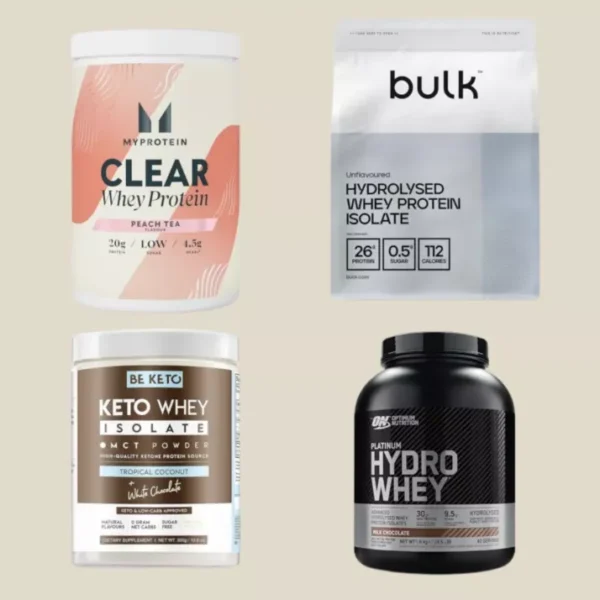
A keto-friendly protein powder can help me hit my target without cooking a second meal, and it’s often cheaper per gram of protein than convenience foods. While powders are useful, exogenous ketones are often an unnecessary expense to skip.
If you’re curious about what they actually are, how they work, and when they’re worth considering, read this guide to exogenous ketone supplements.
What I look for is boring but effective:
- Low carbs per serving, with the serving size clearly stated
- A protein source I tolerate (whey isolate for many people, plant blends for others)
- Clear nutrition info, not a “keto proprietary mix”
- No added sugar, and not loaded with thickeners
For UK-specific comparisons, I refer to: keto protein powder options in the UK.
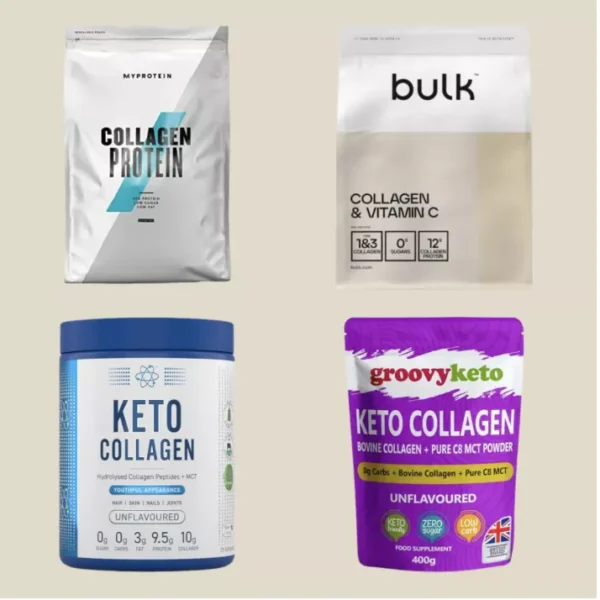
Collagen is slightly different. I use it when I want an easy protein boost and I like how it fits into coffee or yoghurt, but I don’t treat it as a complete protein. It’s more like adding bricks without the full blueprint. If you want collagen choices that suit keto, this is useful: best keto collagen in the UK.
A simple way I think about it:
- Protein powder: best for training support and hitting protein targets.
- Collagen: handy add-on for joints, skin, and extra protein, but not my only source.
Keto vitamins: when a basic supplement can make sense (and when it is just marketing)
“Keto vitamins” can be helpful, but they’re also an easy place to waste money, especially if addressing nutritional deficiencies.
I don’t buy a massive “keto stack” just because the label says it’s designed for ketosis. I’d rather spot one real need and cover it.
A few common, non-dramatic examples:
- Vitamin D in winter (a lot of us in the UK get very little sun exposure)
- B vitamins if diet variety is limited
- Magnesium if I’m cramping, sleeping poorly, or training hard
- Omega-3 fatty acids if I rarely eat oily fish
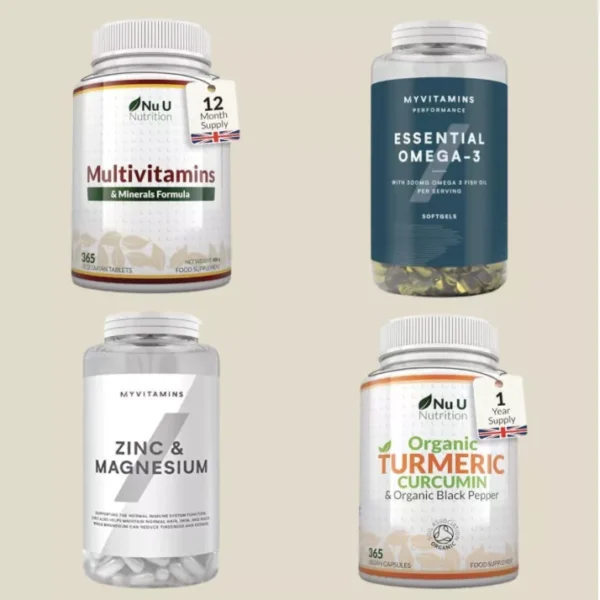
If you want a UK-focused overview of options, I keep this page bookmarked: best keto vitamins in the UK.
My rule is simple: if I can’t explain why I’m taking it in one sentence, it’s probably marketing.
How I avoid low quality “keto” products online (and spot hidden carbs)
“Keto” on a label doesn’t mean much. It’s a marketing term, not a regulated promise. The real truth is in the nutrition panel and ingredient list.
When I’m buying online, I assume two things:
- the front label is trying to distract me,
- the serving size is where the trick lives.
Here’s how I keep it clean without becoming obsessive.
Common red flags: proprietary blends, tiny doses, and sweeteners that can upset digestion
These are the biggest red flags I see in keto supplement products:
- Proprietary blends where I can’t see the dose of each ingredient, often making exaggerated claims like boosting cognitive focus
- Under-dosed electrolytes (lots of ingredients, tiny numbers)
- “Keto gummies” packed with polyols, especially maltitol, which can cause bloating and bathroom emergencies
- Vague “ketone salts” products that claim to support a state of ketosis but don’t clearly state what you’re getting per serving
- Loads of flavours, colours, and fillers that don’t help results
Sweeteners are personal. Some people are fine, others get stomach pain. If I’m trying a new product, I test it on a normal day, not before a long drive or a gym session. For those struggling with the digestive transition on a ketogenic diet, digestive enzymes can be a helpful addition or alternative.
A better swap I often make: if a flavoured product keeps upsetting my stomach, I buy unflavoured and add my own flavour (cinnamon, cocoa, or a tiny amount of a sweetener I tolerate).
My label reading checklist: net carbs, serving size tricks, and allergen warnings
This is the label routine I use every time:
- Check serving size first: Is a serving one scoop, two scoops, or “one capsule” that barely contains anything?
- Carbs per serving: I look at total carbs and fibre.
- Polyols (sugar alcohols): I treat them with caution, especially if the product is “keto sweets”.
- Ingredient order: The first few ingredients matter most.
- Allergens: Milk and soy are common in powders, and it’s easy to miss online.
- Caffeine content: “Keto energy” products can hide caffeine and other stimulants, which can mess with sleep and appetite.
If the label feels like it’s written to confuse me, I take that as my answer.
Where I shop online in the UK, and how I keep keto supplements affordable
I shop around for affordable keto supplements without sticking to one shop. I compare totals and buy based on the month I am having. In January, for example, demand and pricing can be weird (and my budget is usually tighter after Christmas), so I keep it simple.
I focus on strategy rather than chasing a “best brand”. If you want a broad overview of what tends to be worth it, I keep this as a general reference point: Best Keto Supplements.
Money saving tips that actually work: subscribe and save, bulk sizes, and timing my reorders
These are the habits that save me the most money over time:
- Compare price per serving, not price per tub.
- Buy one new product at a time so I can tell what is helping.
- Use bundles only if the doses are decent, and I would buy the items anyway.
- Watch delivery thresholds, it is easy to overspend to “save” on postage.
- Reorder based on how long it lasts, not when I get tempted by an offer promising energy and endurance.
- Keep a note in my phone of what works and what did not, so I do not re-buy mistakes.
A real-world example: an electrolyte product plus a separate magnesium supplement can be cheaper (and easier to dose properly) than buying two or three “keto complex” products that all overlap and still under-dose the basics.
My simple “starter stack” for keto on a budget (and what I skip at first)
If I am starting keto again, or helping a mate keep costs down, this is my budget-first approach:
- First: electrolytes (this is where most people feel the difference)
- Then, optional: MCT oil or powder, only if I will actually use it
- Then, if needed: protein powder to hit protein targets without blowing the food budget
What I skip at the start:
- Exogenous ketones
- “Fat burning” supplements
- Expensive multi-product stacks that promise everything at once
Supplements should support the plan, not become the plan. The ketogenic diet is about food first.
Conclusion
Affordable keto supplements UK aren’t about buying more stuff. They’re about buying the right thing, for the right reason, at the right dose.
My quick takeaways for the ketogenic diet and low carb diet:
- Electrolytes first, because they’re often the simplest fix for headaches, cramps, and low energy.
- Choose MCT oil or MCT powder based on cost per serving and digestion, not hype.
- Use protein powder and collagen with a clear goal, appetite, training, or convenience.
- Consider vitamins only when they match a real need, not because “keto” is on the label.
My next step is always the same: I pick one supplement, try it for 2 to 4 weeks, track how I feel and weight loss, and keep the rest of my approach food first.
Also of interest:
- What Are Exogenous Ketones? A Straightforward Guide for Keto and Training
- Affordable Keto Supplements Online UK, What I Buy (2026)
- Keto Wine: Best Zero Carb Wines 2026 Guide for Low-Carb Living
- Keto Crunch Cereal: Is Catalina Crunch Keto Friendly? Nutrition Facts & Review 2026
- Is Dragon Fruit Keto Friendly? Carbs & Keto Guide for 2026 Fitness and Diet Success